

Educational ideas for repeatable evening cues—light, food, screens, and calm activities. General lifestyle information, not personalised medical guidance.
Start roughly ninety minutes before target sleep time. Phase one (60–90 min before): finish stimulating tasks—payments, work chat, intense games. Phase two (30–60 min): dim overhead lights, warm shower or face wash, light snack if needed. Phase three (0–30 min): breath work, stretching, or paper reading in bed-adjacent seating.
Consistency trains prediction. The brain releases melatonin on schedule when darkness and behavior repeat. Dutch summer sunsets after 22:00 can delay cues—use blackout curtains or eye mask if morning light wakes you too early for your schedule.
Write a three-line checklist on a card: “laptop closed, lamp amber, four-minute breath.” Visible cues beat memory on exhausted nights.

Blue-enriched light from phones and ceiling LEDs suppresses melatonin more than warm bedside lamps. Switch devices to night mode two hours before bed; better, charge them outside the bedroom. If you must read on a tablet, lowest brightness, warm tone, and no social feeds—use downloaded articles or e-ink.
Notifications are micro-alerts; each ping can spike cortisol slightly. Airplane mode is a simple experiment for fourteen nights. Replace scrolling with a physical book or audio without autoplay queues that tempt “one more episode.”
For video calls across time zones, wear blue-light glasses if you already own them; evidence is mixed, but reduced glare can feel easier on eyes. Prioritize behavioral cutoffs over gadgets.
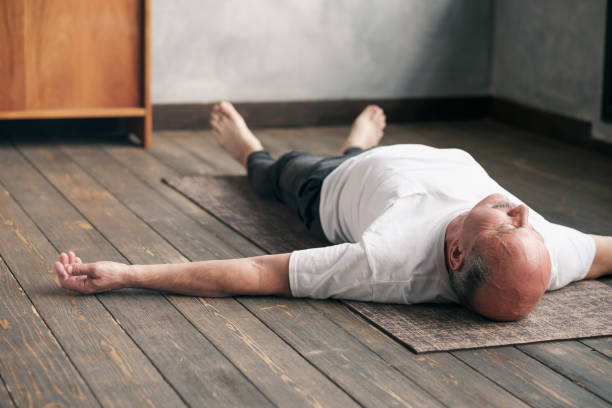
Heavy meals within two hours of lying down can cause reflux that mimics insomnia. If hungry, choose small complex carbs plus protein: yogurt with oats, wholegrain toast with nut butter. Caffeine half-life averages five hours but varies; trial stopping coffee by 14:00. Dutch filter coffee is strong—count mugs honestly.
Alcohol may shorten sleep onset but fragments REM later; herbal tea without caffeine is a neutral ritual. Limit fluids one hour before bed if nocturnal bathroom trips are frequent. Magnesium-rich foods (leafy greens, pumpkin seeds) support diet quality but are not magic fixes.
Anchor routine to clock-out, not sunset. Keep the same sequence: dim light, shower, calm activity, bed— even if “bedtime” is 08:00. Blackout curtains and eye mask help day sleep.
Shorten to a five-minute family quiet: low voices, one story, lights down together. Personal breath work can follow in your room.
Keep wake time within one hour of weekdays. Bedtime can flex slightly; social nights happen—return to sequence the next evening without guilt.