

Educational steps for progressive tension–release, gentle stretches, and body scans. For general evening relaxation—not clinical treatment.
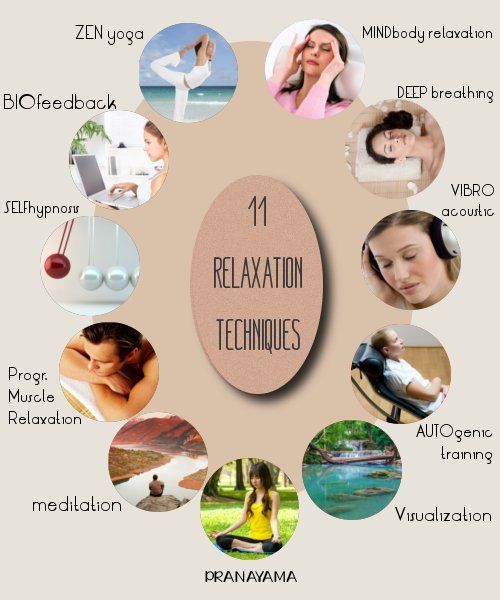
PMR is a widely taught exercise for noticing the contrast between tension and ease. Tense each muscle group about 60% effort for five seconds—never maximum squeeze—then release for fifteen seconds and observe warmth or heaviness. Move from feet upward: calves, thighs, glutes, abdomen, hands, forearms, shoulders, face.
The face sequence matters for desk workers: furrow brow, release; clench jaw gently, release; press tongue to roof, release. Many people carry jaw tension from focus work. After the full pass, scan head to toe once without tensing; note any leftover spots and repeat only those.
A full cycle takes twelve to eighteen minutes. Shorten to six minutes on tired nights by grouping both legs together, then both arms, then face. Consistency beats length.
Neck glide: Sit tall. Exhale, drop right ear toward shoulder without lifting shoulder; inhale center; switch sides. Five slow reps each.
Supported child’s pose: Kneel, fold forward, arms alongside body or forward on pillow. Breathe into lower back for six breaths.
Figure-four on back: Ankle over opposite knee, thread hands behind thigh, draw leg toward chest until hip stretches. Hold four slow breaths per side.
Avoid deep forward folds that fire hamstrings aggressively; choose positions you can breathe calmly in. If you cycled or ran late, keep stretches static—not ballistic—to avoid raising heart rate.
Lie on your back, arms slightly away from torso. Close eyes if comfortable. Begin at the toes: notice temperature, pressure against sheets, without changing anything. Move attention slowly up the body—feet, ankles, shins, knees—spending two to three breaths per region. When thoughts intrude, label them “thinking” and return to sensation.
At the hips and lower back, soften the belly on exhale. At chest and shoulders, imagine weight sinking into the mattress. At the face, unclench the tongue and let the forehead be smooth. A twenty-minute scan can shorten to eight by grouping legs, torso, arms, head.
Body scans appear in clinical sleep programs because they reduce somatic arousal without vigorous movement. Pair with dim amber light; bright white overhead light keeps alertness higher.
Utrecht group sessions sometimes include guided PMR and quiet stretching. Dates align with the home events table; confirm availability via contact.
| Date | Focus | Register |
|---|---|---|
| Sat 28 Jun 2026 | PMR + stretch (50 min) | Contact |
| Thu 7 Aug 2026 | Body scan intro (40 min) | Contact |
Acute injury: avoid tensing painful areas; visualize release instead. Pregnancy: use side-lying, skip deep twists. Restless legs: stretching calves and warmth before bed may ease discomfort for some; persistent symptoms need professional evaluation.
Combine with breath work