
Evening calm · Netherlands
Long Dutch evenings, screen glare, and a busy mind can make it hard to feel ready for bed. Organicremove.world publishes free, structured relaxation guides you can try at home: slower breathing, gentle muscle release, and simple evening routines informed by public sleep-science summaries. We are an educational publisher in Utrecht—not a clinic, not a webshop, and not a substitute for professional care.
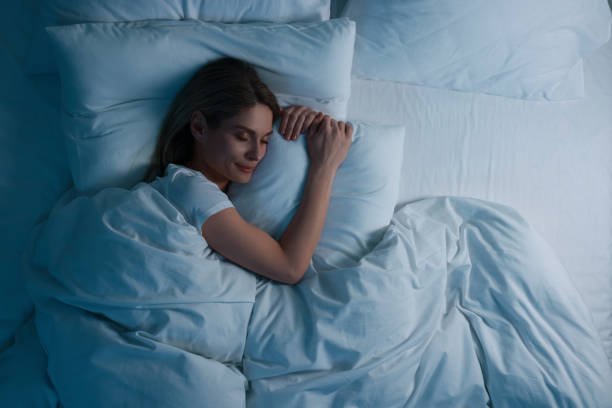
Sleep is when your brain consolidates memories, clears metabolic waste, and resets emotional tone for the next day. Adults commonly need between seven and nine hours, though individual patterns differ. Chronic short sleep is linked in population studies to slower reaction time, more irritability, and weaker appetite regulation—not because one bad night ruins everything, but because habits stack over weeks.
During deep sleep stages, growth hormone release supports tissue repair; REM sleep supports learning and creative problem-solving. Missing these stages occasionally is normal; missing them often may leave you feeling “wired but tired.” That state is a signal to look at evening stimulation—caffeine after mid-afternoon, bright screens, or heated debates right before bed—rather than forcing yourself to “try harder” to sleep.
In the Netherlands, seasonal light shifts matter. Dark winters can delay circadian cues; long summer twilight can push bedtimes later. A consistent anchor—dim lights, cooler room, same rough bedtime window—helps your internal clock predict rest. Relaxation practices do not replace sleep duration; they prepare the nervous system so natural sleepiness can surface.
Track subjective markers: time to fall asleep, number of wake-ups, morning alertness. Pair notes with one change at a time, such as a ten-minute breath session or a screen curfew. Patterns over fourteen days tell you more than any single night.
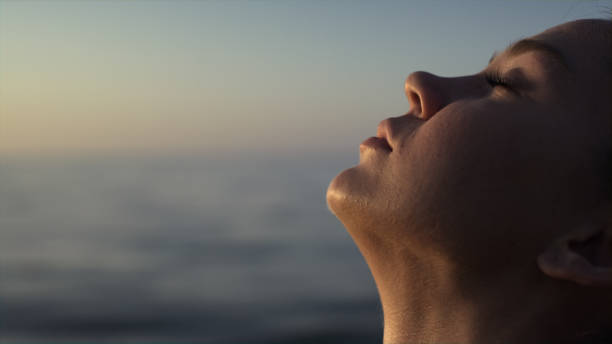
Slow breathing with a longer exhale can shift attention away from planning loops and toward bodily sensation. A common pattern is inhaling for four counts and exhaling for six, through the nose if comfortable. Sit or lie with shoulders loose; place one hand on the belly to feel it rise and fall. Start with three minutes and add time only if it stays comfortable.
Research on paced breathing often reports changes in heart-rate variability and subjective calm. You are not aiming to eliminate thoughts; you are giving the mind a rhythm to follow. If counting feels stiff, whisper “in” and “out” or use a soft metronome app at low volume. Stop if you feel light-headed—shorter inhales or normal-paced breathing is fine.
Pair breath work with a consistent cue: after brushing teeth, after closing the laptop, or when you draw the curtains. Cues build habit without willpower battles. On nights when stress is high, repeat the same short session rather than chasing a “perfect” long practice.
Full breath guideMuscle tension from desk work, cycling, or carrying bags can keep the nervous system on alert. Progressive relaxation—tensing a muscle group briefly, then releasing—teaches contrast between effort and ease. Begin at the feet: curl toes for five seconds, release, notice warmth. Move up calves, thighs, hands, shoulders, and jaw. The jaw often clenches unnoticed; let it hang slightly open on the exhale.
Gentle stretches help too: neck rolls with slow breath, child's pose on the bed, or a doorway chest opener for two slow breaths per side. Avoid vigorous exercise within two hours of bedtime; that raises core temperature and alertness. Light movement signals “day is ending” rather than “day is starting.”
If you share a bed, a quiet routine respects your partner’s rhythm—dim light, minimal talking, same order of steps. Comfort matters more than flexibility; use pillows under knees or between arms if side sleeping.
Occasional in-person wind-down sessions in Utrecht focus on guided breath work and quiet stretching—not clinical treatment. Spaces are small; registration confirms date and any participation fee in writing beforehand.
| Date | Session | Location | Action |
|---|---|---|---|
| Thu 12 Jun 2026 | Intro evening breath (45 min) | Oudegracht area, Utrecht | Register interest |
| Sat 28 Jun 2026 | Gentle stretch & unwind | Oudegracht area, Utrecht | Register interest |
| Wed 16 Jul 2026 | Summer light & sleep habits talk | Online (link on request) | Ask for link |
Studies on sleep hygiene often highlight regular schedules, reduced evening light, and cognitive off-loading (journaling, planning lists) as habits some people find useful. Relaxation training—breath pacing, progressive muscle relaxation, guided imagery—is frequently studied for evening calm; published summaries describe varied self-reported experiences rather than uniform outcomes.
Caffeine sensitivity varies; some feel effects six hours after coffee. Alcohol may shorten time to sleep onset but fragments later cycles. Heavy meals close to bedtime can raise reflux discomfort. None of these are moral issues; they are timing experiments you can run with a simple log.
Blue-enriched light from screens suppresses melatonin more than warm lamps; swapping overhead LEDs for dim, warm bulbs is a low-cost test. Daylight exposure within an hour of waking strengthens circadian amplitude—relevant for Dutch grey mornings when a short walk or bright window time helps.
Sleep & rest deep dive
Many people keep a simple log for about two weeks to notice patterns. Sleep varies night to night; weekly averages for time in bed, wake-ups, and morning alertness are more useful than judging a single evening. One off-night does not define your overall habit.
Yes. Breath work and progressive relaxation need little space. Use headphones only if volume stays low; sudden sounds can startle a partner. Agree on a lights-off time together when possible.
Avoid clock-watching. If alertness stays high after about twenty minutes, sit in dim light and read something dull until drowsiness returns. Keep the bed associated with sleep, not problem-solving.
No. Persistent insomnia, loud snoring with gasping, or leg movements that disrupt sleep deserve assessment by a qualified clinician. This site offers general lifestyle education only.
No. We do not sell medicines, supplements, sleep devices, or paid subscriptions on this site. Optional group sessions in Utrecht, if offered, are educational and confirmed by email with clear pricing before payment.
Advertising for this website points to the same educational content you see here. If you arrived via an online ad, the landing page topic matches the guide described in the advertisement. For questions, use our contact page.
We publish plain-language guides on evening relaxation for readers in the Netherlands and internationally. Material is compiled from publicly available sleep-science summaries and widely taught relaxation techniques, then adapted for home practice. Editorial updates are dated on policy pages; guides are informational resources, not personalised coaching unless you separately book a listed group session.
Business address: Oudegracht 243, 3511 NL Utrecht, Netherlands. Email and telephone are listed in the footer. Data processing is explained in our Privacy Policy and Cookie Policy.